Fri Sep 24, 2021
UN WFP Partners Up with IPT to Deliver Fuel to Critical Healthcare Institutions
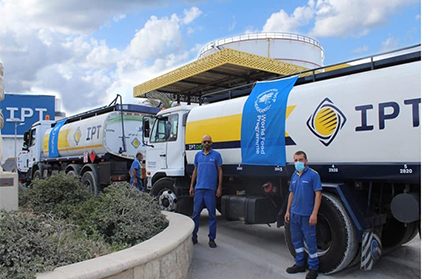
Once more, IPT proves its resilience and trustworthiness in crisis management. The World Food Program (WFP), the global United Nations humanitarian lead on logistics, chose IPT as a local partner to implement a long-term emergency plan to supply fuel for health, water, and sanitation services in all regions, in collaboration with the several United Nations agencies as well.
The severe electricity and fuel shortages which have been affecting Lebanon over the past weeks, are impeding the provision of essential services, including health care and water, and has resulted in tremendous additional hardship across all populations. The fuel shortage has also posed additional operational challenges to the humanitarian community assisting the country’s most vulnerable populations.
“In order to mitigate additional suffering and preventing loss of lives, I have asked the World Food Programme (WFP) in Lebanon, as the global humanitarian lead on logistics, to develop an emergency fuel-supply plan to maintain critical health, water and sanitation services for the most vulnerable populations and prevent the discontinuation of lifesaving activities implemented by humanitarian actors,” said Ms Najat Rochdi, United Nations Humanitarian Coordinator for Lebanon.
This three-month plan, developed in collaboration with UNICEF, WHO and the NGOs working on health and WASH issues, will provide fuel to all public hospitals, primary health care centers and dispensaries servicing the most vulnerable communities in the different regions in Lebanon and relied upon by an estimated 2.1 million annually. It will also provide fuel to four water establishments to secure continuous water supply to about 2.3 million people across the country.
“The implementation of this emergency fuel supply plan will not impact existing national fuel reserves, nor will the program interrupt future national fuel deliveries” clarified Dr Rodchi. “All fuel will be purchased at a non-subsidized rate and add to the existing national fuel stocks” she stressed.
This is an exceptional emergency support for a maximum duration of three months. The responsibility to ensure uninterrupted provision of basic services remains with the Government of Lebanon. “I call on the government to save no effort to implement, at the earliest possible, sustainable solutions to the on-going energy crisis and to protect the rights of families in Lebanon to access essential services” Dr Rodchi said.